
Active Income
Active income is money you earn by doing work. You use your time and skills to do a job or provide a service.

Every term in the Financial Fundamentals deck, with the definition printed on its card. Search a word or pick a level.
Card of the day
Tap the card to flip it. Read the back together, then try the activity at the bottom.
Showing all 110 money words. Each definition is printed word for word from its card.
Build your foundation.
Active income is money you earn by doing work. You use your time and skills to do a job or provide a service.

An advertisement is a message that promotes a product or service. It tries to get your attention and make you interested.
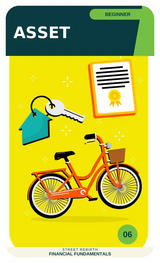
An asset is something you own that has money value. Cash, a bicycle, a house and shares in a business can all be assets.

A bank is a business that holds money in accounts and offers services such as loans and payments.
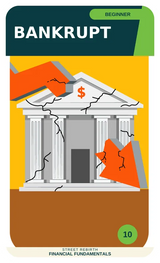
Bankrupt means being in a legal process for debts that cannot be repaid. It is more than just being short of cash.
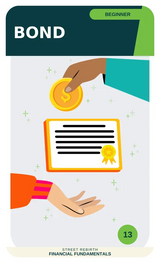
A bond is a way to lend money to a government or company. The borrower promises to pay it back, usually with interest.
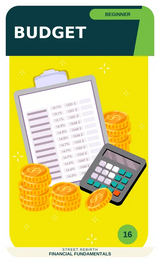
A budget is a plan for the money you receive. It helps you decide how much to spend and save.
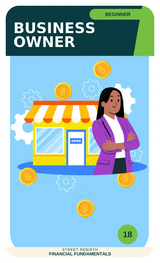
A business owner is a person who owns all or part of a business. Owners can earn profits and also face losses.
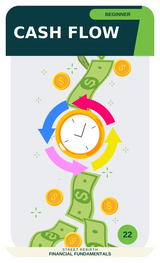
Cash flow is money moving in and out over time. Tracking how much arrives and when it leaves helps you plan what you can spend.
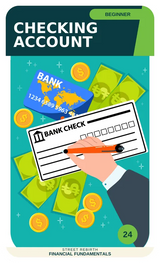
A checking account holds money at a bank or credit union for everyday use. You can add money, take cash out and make payments.
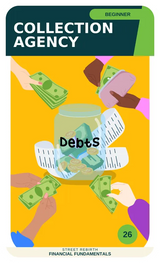
A collection agency is a company that tries to collect overdue debts. It may work for the business owed money or collect debts it bought.
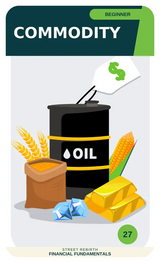
A commodity is a basic good traded in markets, such as wheat, oil or gold. Businesses often use commodities to make other products.
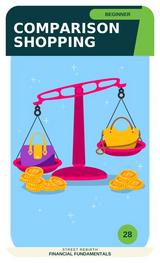
Comparison shopping means checking similar choices before you buy. Compare total cost, quality and features to find what fits your needs.

Credit lets you borrow money or buy something now with an agreement to pay later. You may also pay interest or fees.
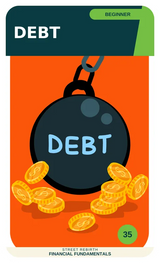
Debt is money you owe someone. When you borrow money, you have a debt until you repay what you owe.
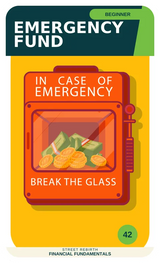
An emergency fund is money saved for unexpected, important expenses or a loss of income. It helps cover needs when plans suddenly change.
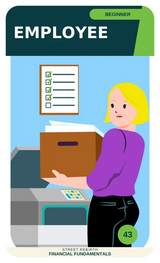
An employee is a person paid to work for an employer, such as a business or organization. The employer assigns work and pays for it.

An entrepreneur starts and runs a business, making decisions and taking risks. The business sells something people want or need.
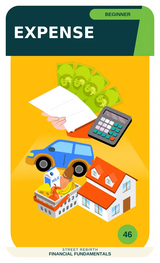
An expense is a cost you pay or owe for something, such as food, transport or a bill. People and businesses both have expenses.
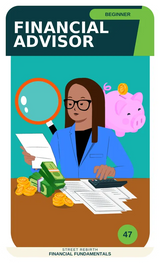
A financial advisor is a professional who helps people plan how to use their money, such as saving, investing or preparing for retirement.
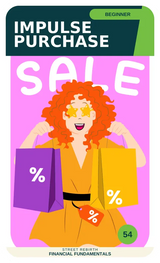
An impulse purchase is something you buy suddenly, without planning or taking time to decide whether it fits your needs and budget.
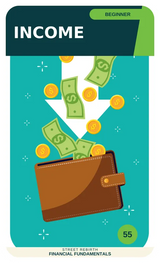
Income is money you earn or receive, such as pay from work, an allowance or interest on savings. It is money coming in.

An investment is something you put money into, hoping it will earn income or grow in value over time. You can also lose money.

An investor is a person or organization that buys investments hoping to earn income or profit. Investors risk losing money too.
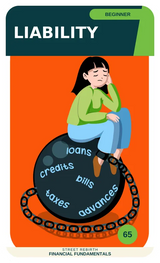
In finance, a liability is money you owe or another obligation you must settle. Unpaid bills and loan balances are common examples.
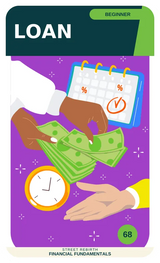
A loan is money borrowed under an agreement to repay it. The agreement sets when payments are due and whether interest or fees are charged.
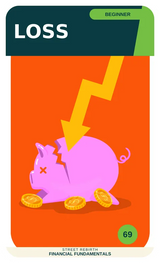
A financial loss can mean a drop in an investment's value. A business has a loss when total expenses are higher than its sales income.

Passive income is money earned with little ongoing work, often from something you created or own. Getting started usually takes work, money, or both.

Pay yourself first means planning to save part of the money you receive, then setting it aside before other spending. Choose an amount your budget allows.
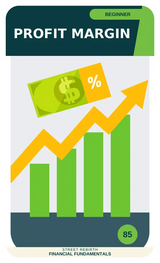
Profit margin is the share of sales kept as profit, expressed as a percentage. Net profit margin uses profit after all business costs.

Real estate is land and things permanently attached to it, such as houses, offices, and other buildings. It can be used for living, work, or other purposes.

Rent is money paid to use something owned by someone else for an agreed time. Paying rent gives you use of it, not ownership.
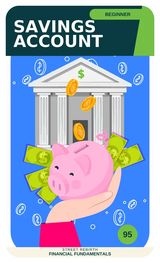
A savings account holds money at a bank or credit union for future needs or goals. It can earn interest while the money stays there.

A scholarship is money awarded to help pay education costs. It usually does not need to be repaid, but the student must follow the award rules.

Being self-employed means working for yourself in a business or trade, instead of being an employee for that work.

A service is work someone does for another person or organization to meet a need or want, usually in exchange for payment.
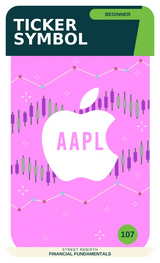
A ticker symbol is a short code that identifies a stock in market listings. It helps people find the right investment and its price.
Connect ideas to real life.

A 401(k) is a workplace retirement plan. Workers can save and invest part of their pay for life after work.

An annuity is a contract with an insurance company. You pay money in, and it can provide regular payments now or later.
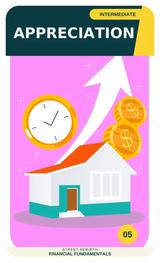
Appreciation is an increase in what an asset is worth over time. It means a rise in money value, not just liking something more.
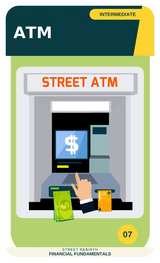
An ATM is an automated teller machine. You can use it to get cash from your bank account or check your balance. Some accept deposits.

A beneficiary is a person or group named to receive money or property through a will, insurance policy or certain accounts.

A brand is the identity people connect with a business or product. Its name, logo and style help people recognize it and tell it apart.
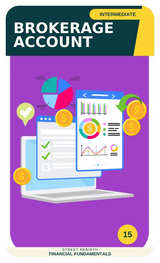
A brokerage account is an investment account with a brokerage firm. It lets you buy, hold and sell investments such as stocks, bonds and funds.
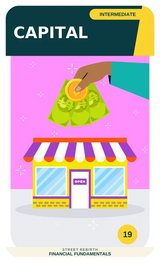
In business, capital means money and useful resources, such as tools or machines, used to start or run the business.
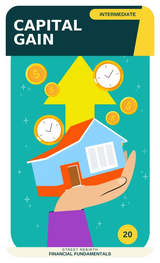
A capital gain is the profit from selling an asset, such as a stock or collectible, for more than it cost you.
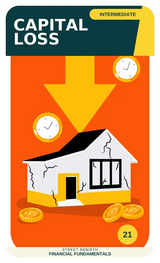
A capital loss is money lost when you sell an asset, such as a stock, for less than you paid for it.
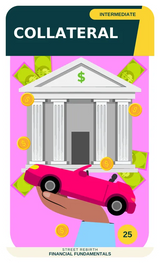
Collateral is an asset used to secure a loan. If the borrower fails to repay as agreed, the lender may take that asset.
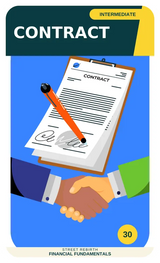
A contract is an agreement that the law can enforce. It sets out what each person or business agrees to do.
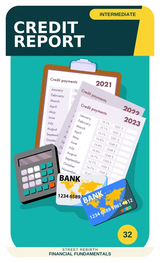
A credit report is a record of your credit accounts and payment history. It can show loans, balances and whether payments were on time.
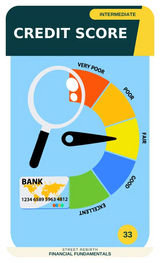
A credit score is a number based on your borrowing and repayment history. Lenders use it to help predict whether you will repay a loan on time.

Cryptocurrency is a digital asset that uses cryptography, a system of codes, to help secure transactions. Bitcoin is one example.
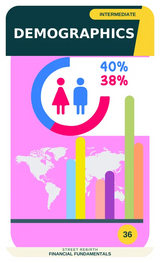
Demographics are facts about a group of people, such as their ages, where they live and how many people are in their households.
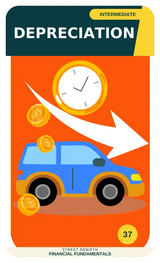
Depreciation is a drop in an asset's value over time. Wear, age or newer models can make an item worth less.
Disposable income is income left after personal taxes. It is the money available for spending and saving, including paying for needs.
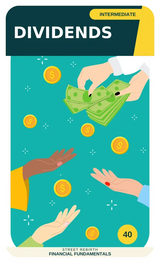
A dividend is a payment a company chooses to make to shareholders, often from profits. Shareholders own pieces of the company called shares.
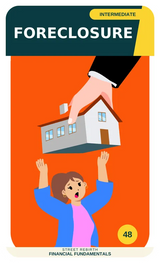
Foreclosure is a legal process that can take away a home when its loan is not repaid as agreed. The home may be sold to recover the debt.
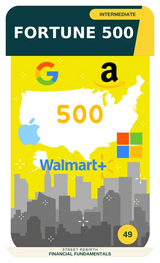
The Fortune 500 is Fortune's yearly ranking of 500 large U.S. companies by revenue: money earned before expenses are subtracted.

Garnishment is a legal process that directs money from someone's pay or bank account toward a debt, instead of letting that person receive or use it.
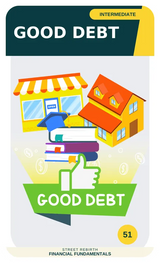
Good debt is a name for borrowing that may improve your future finances, such as paying for useful training, if you can afford to repay it.
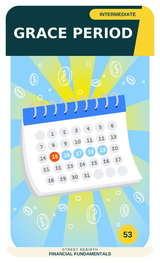
A grace period is a set time when a payment can be made without certain extra charges, if the agreement's rules are met.
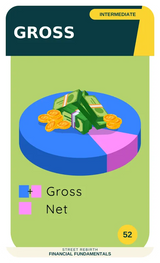
Gross means the total amount before anything is subtracted. Gross pay is earnings before taxes and other deductions are taken out.

An inheritance is money or belongings received from someone after they die. It might be savings, a home or a treasured personal item.

Insurance is an agreement: you pay a fee called a premium, and a company helps cover certain losses under the policy's rules and limits.
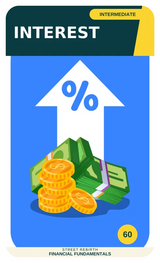
Interest is money paid for the use of money. You may pay it when borrowing or earn it when keeping money in a savings account.
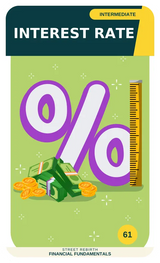
An interest rate is a percentage used to calculate interest on borrowed or saved money over a stated time, often one year.
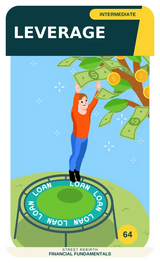
Leverage means investing with borrowed money. It can increase both gains and losses relative to the money you put in yourself.
LLC means Limited Liability Company. It is a business structure that usually protects owners' personal assets from the company's debts.

Marketing helps a business understand and attract customers. It covers what to sell, the price, where to sell and how to promote it.

To monetize is to earn money from something you create, own, or do, such as art, a tool, or a skill.

A mortgage is a loan backed by property, often a home. The lender can take that property if the borrower fails to repay.
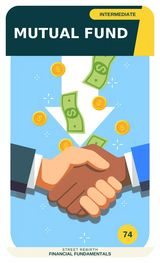
A mutual fund pools investors' money to buy stocks, bonds, or other investments. Each investor owns shares in the fund.
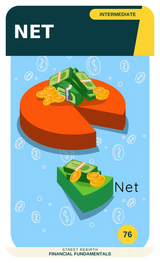
Net is the amount left after the deductions that apply. For net profit, subtract all business expenses from total revenue.
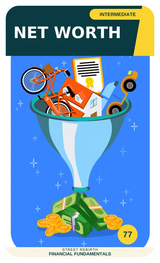
Net worth is the value of what you own (assets) minus what you owe (debts), measured at one point in time.
Other people's money is funding provided by others for a business or project, often through a loan or an investment.
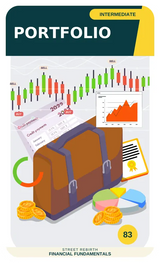
A portfolio is the collection of investments a person or organization owns, such as stocks, bonds, or investment funds.
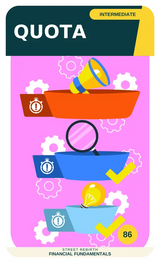
A quota is an assigned amount. It can be a target to reach, such as sales, or a limit not to exceed.
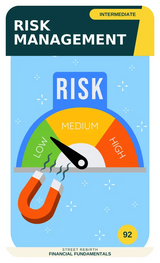
Risk management means identifying what could go wrong, judging how likely and costly it might be, and choosing ways to handle it.
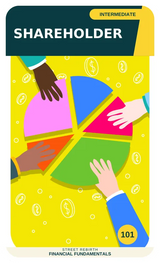
A shareholder is a person or organization that owns shares in a company. Those shares represent part ownership of the business.
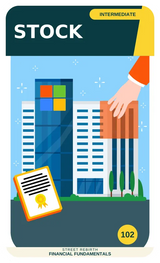
Stock represents ownership in a company. Each unit is called a share. Its price can rise or fall, so investors can lose money.
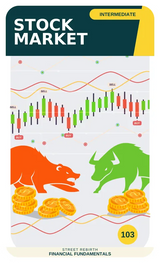
The stock market is a network where investors buy and sell shares of companies. Exchanges help match buyers with sellers.
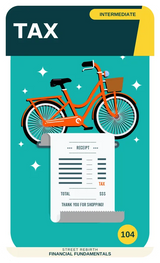
A tax is a payment required by government rules. Taxes help fund public services such as roads, schools, and emergency response.

A will is a legal document giving instructions for a person’s property after they die. It can name people or charities to receive gifts. A living trust holds property under instructions for managing it during life and distributing it after death.
Explore deeper money ideas.
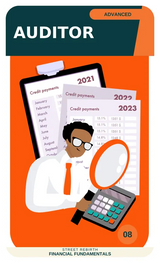
An auditor examines financial records and supporting evidence to check whether the information is reliable and follows the rules.

A bear market is a period when stock prices fall broadly. A decline of 20% or more in a broad market index is a common measure.

A bull market is a period when stock prices rise broadly and many investors feel hopeful about future business growth.
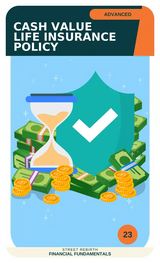
This life insurance can build cash value. It also pays named recipients a death benefit if the insured person dies while covered.
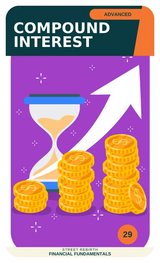
Compound interest is interest on your starting money plus earlier interest. Leaving interest in the account lets it earn interest too.
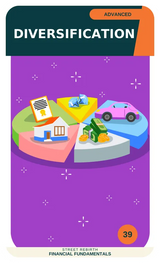
Diversification means spreading money among investments so you depend less on any single one.
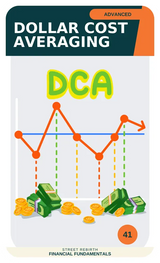
Dollar cost averaging means investing the same amount of money at regular times, whether prices have gone up or down.
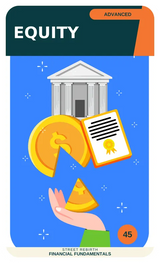
Equity is ownership in a business or property. For a home, the value of that equity is the home's value minus the debt owed on it.
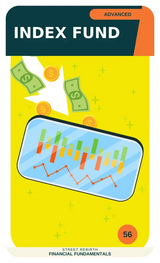
An index fund is an investment fund that aims to follow a market index: a measure of how a chosen group of investments performs.
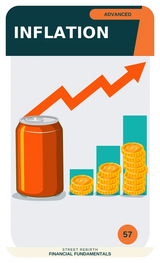
Inflation is a rise in the overall prices of goods and services over time. As prices rise, the same amount of money buys less.
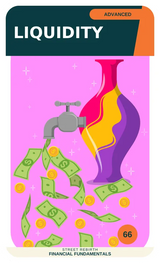
Liquidity describes how quickly and easily an asset can become cash without a big drop in the price you receive. Cash is already liquid.

A monopoly is a market controlled by one seller of a good or service with no close substitutes. This gives the seller strong influence over prices.

Nasdaq is a U.S. stock exchange: an organized market where investors buy and sell shares of listed companies.
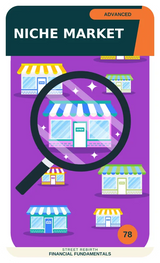
A niche market is a specific group within a larger market whose customers share a particular need or interest.
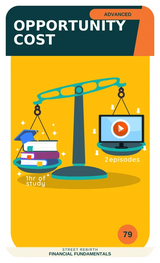
Opportunity cost is the value of the next-best option you give up when you choose something else.

Principal is the money you borrow or put into an investment, separate from interest. A loan's remaining principal is the borrowed amount still unpaid.
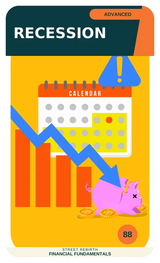
A recession is a major drop in economic activity across an economy, usually lasting months. Jobs, income, and production may fall.

Retirement planning means preparing for living costs when you stop working or work less, including how to save and invest.
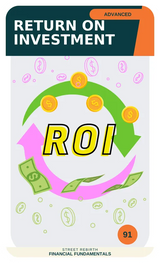
Return on investment (ROI) is the net gain or loss compared with the amount invested, expressed as a percentage.
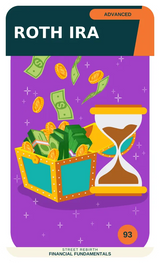
A Roth IRA is a U.S. retirement account. Contributions do not reduce taxable income, but withdrawals that meet the rules are tax-free.
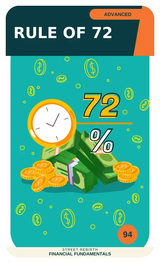
The Rule of 72 estimates how many years money takes to double with compound growth. Divide 72 by a steady annual percentage rate.
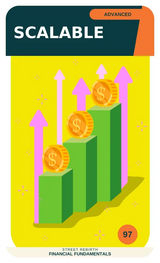
A scalable business can handle many more customers without its costs and workload growing just as fast or its quality falling.
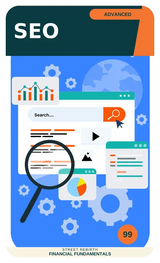
SEO means search engine optimization: improving a website to help search engines understand it and show it in unpaid search results.
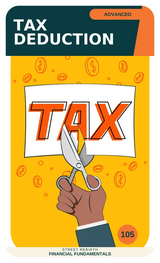
A tax deduction reduces the income used to calculate income tax. A $100 deduction does not usually mean $100 less tax.
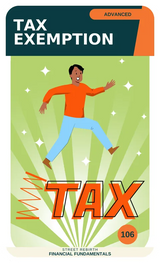
A tax exemption is a rule that frees qualifying income, purchases, people, or organizations from all or part of a particular tax.
A traditional IRA is a U.S. retirement account where investment earnings are not taxed until withdrawal. Contributions may lower taxable income, and withdrawals are generally taxable.
Volatility describes the size of an investment's price swings over time. Bigger swings mean higher volatility, whether prices rise or fall.
No card for that word. Try another spelling, or .
The deck adds a real-life example, a fun fact and an activity to every word.
Ask Rebirth
Money words, orders and picking the right kit
Answers come from our cards and store info. Please don't share personal info here.
Three printable workbooks for kids 8 to 15: 25 Ways To Make Your First $100, The 7-Day Money Challenge and The Money Math Worksheet Pack.
For grown-ups. You'll get the download page right away, plus money tips now and then. Unsubscribe anytime.